Quick Answers
- Resy supports a wide range of restaurant service models, including walk-ins, prepaid dining, counter service, takeout, and multi-concept hospitality groups.
- Restaurants can customize how they use Resy’s restaurant management tools, including waitlists, floor plans, prepayments, guest profiles, and table management, to fit their unique operations and service style.
- Resy is designed to support different restaurant operations and guest experiences. Rather than requiring a single way of working, the platform gives restaurants flexibility to manage service in ways that work for their teams and guests.
No two hospitality businesses are exactly alike. Different concepts come with different rhythms, priorities, and approaches to creating memorable guest experiences. The tools they rely on should be just as adaptable.
To see that flexibility in action, we spoke with businesses across the country about how they use Resy to support their day-to-day. From cozy neighborhood spots that welcome walk-ins to elevated prepaid dining destinations, each uses Resy in a way that works for its concept, team, and guests.
Their approaches may differ, but they share a common goal: making operations smoother while creating thoughtful guest experiences. Here’s how they’re putting Resy to work for their businesses.
Resy for Walk-ins: The Snail (Brooklyn, NY)
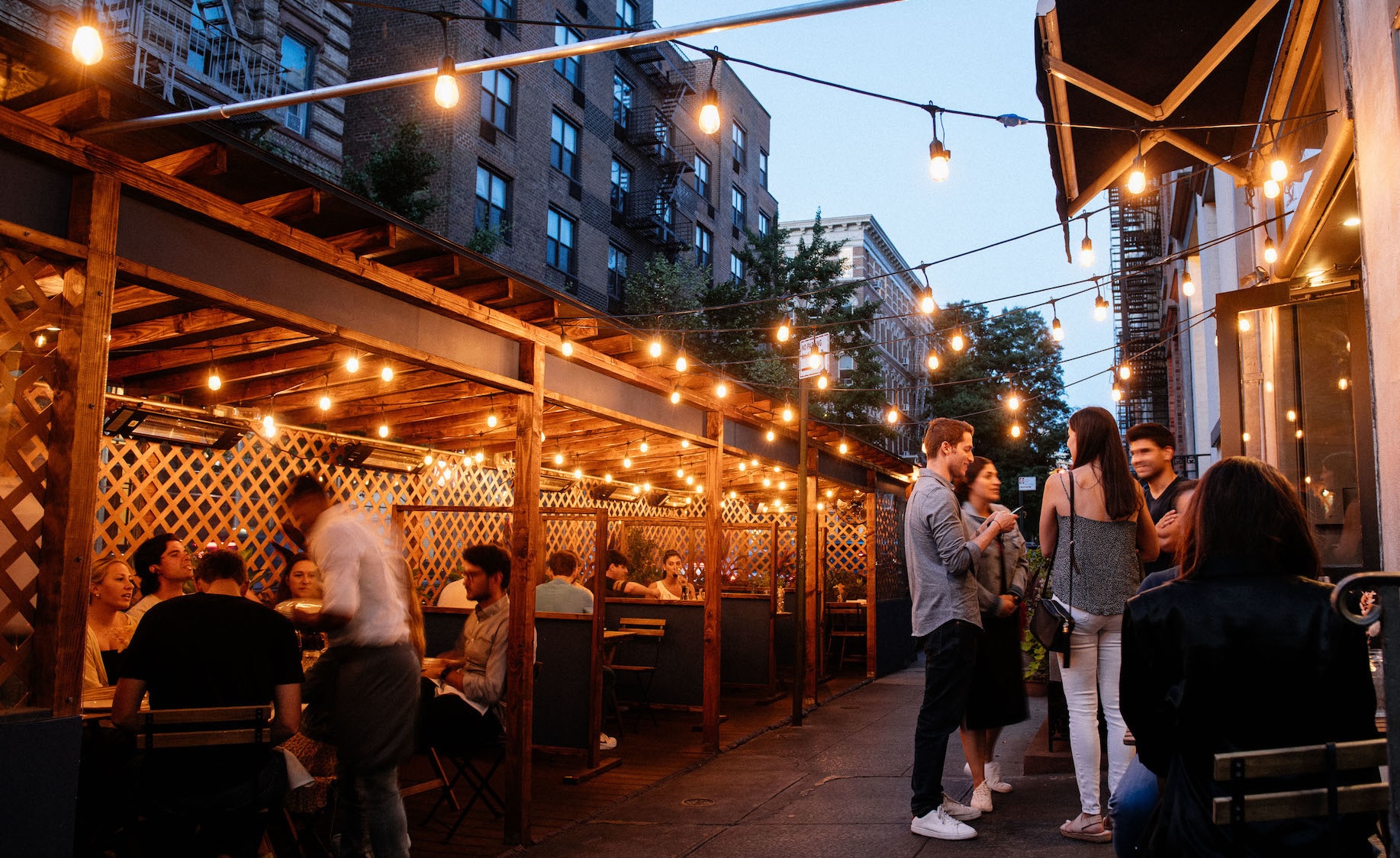
For The Snail, Resy supports a restaurant designed around the spontaneity of walking in. The neighborhood American bistro intentionally keeps most tables open for walk-ins, using reservations primarily for large groups of 7-10. “I was put off by the idea that we can’t just walk into a restaurant anymore,” says chef Austin Baker. The goal instead is excellent food and drinks in a casual, hospitality-forward dining room where guests can simply show up.
Resy helps make that walk-in-first model manageable. Guests are seated immediately when there’s space; when there’s a wait, the team adds them to the Resy waitlist using their phone number, can reference existing guest notes, and texts them when their table is ready. Large-party reservations can be managed alongside that flow without disrupting the rest of the dining room.
The biggest difference is simplicity: “We used to do this by hand and now I can’t imagine doing it by hand anymore.” Chef Baker is happy that the days of asking guests to wait around or calling them when a table opens are over.
Resy for Prepaid Experiences: Omakase @ Barracks Row (Washington, D.C.)
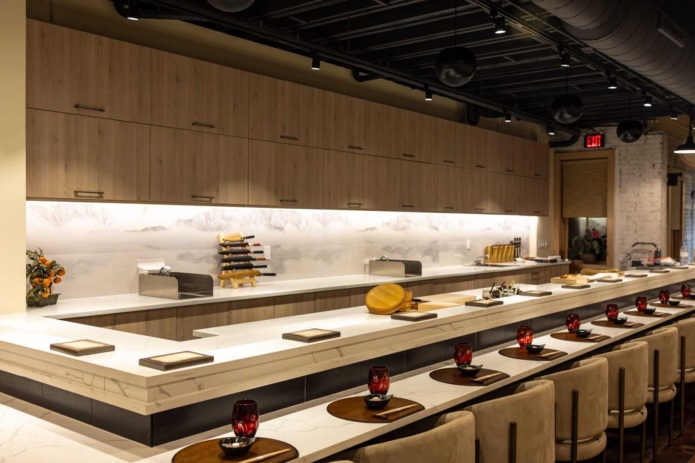
For Omakase @ Barracks Row, Resy functions as a ticketing and planning system for an experience where every seat and ingredient needs to be accounted for in advance. With just 25 seats a night, no walk-ins, and fish arriving fresh from Japan three times a week, the restaurant uses Resy to release prepaid reservations two weeks out, one day at a time. Shift settings and a modified floor plan allow the team to manage capacity across two nightly seatings and arrange parties along the communal sushi counter to create the best flow of service.
Prepayment gives both the restaurant and its guests, as service director Gabriel Enjamio puts it, “ease of mind”: ticket sales help the team plan and purchase ingredients in advance, while guests arrive with the core experience already paid for and can decide that evening whether to add wine, sake, wagyu, uni, or other supplements. Automated guest communications handle important information before arrival, while guest profiles, history, tags, and notes help the team personalize service and proactively clarify dietary restrictions and allergies.
Enjamio says, “Resy has offered a way to craft a streamlined ticket sales system” that creates an equitable guest experience and strong communication “without sacrificing convenience to the guests or efficiency to our restaurant.”
Resy for Counter Service: De La Nonna (Los Angeles, C.A.)
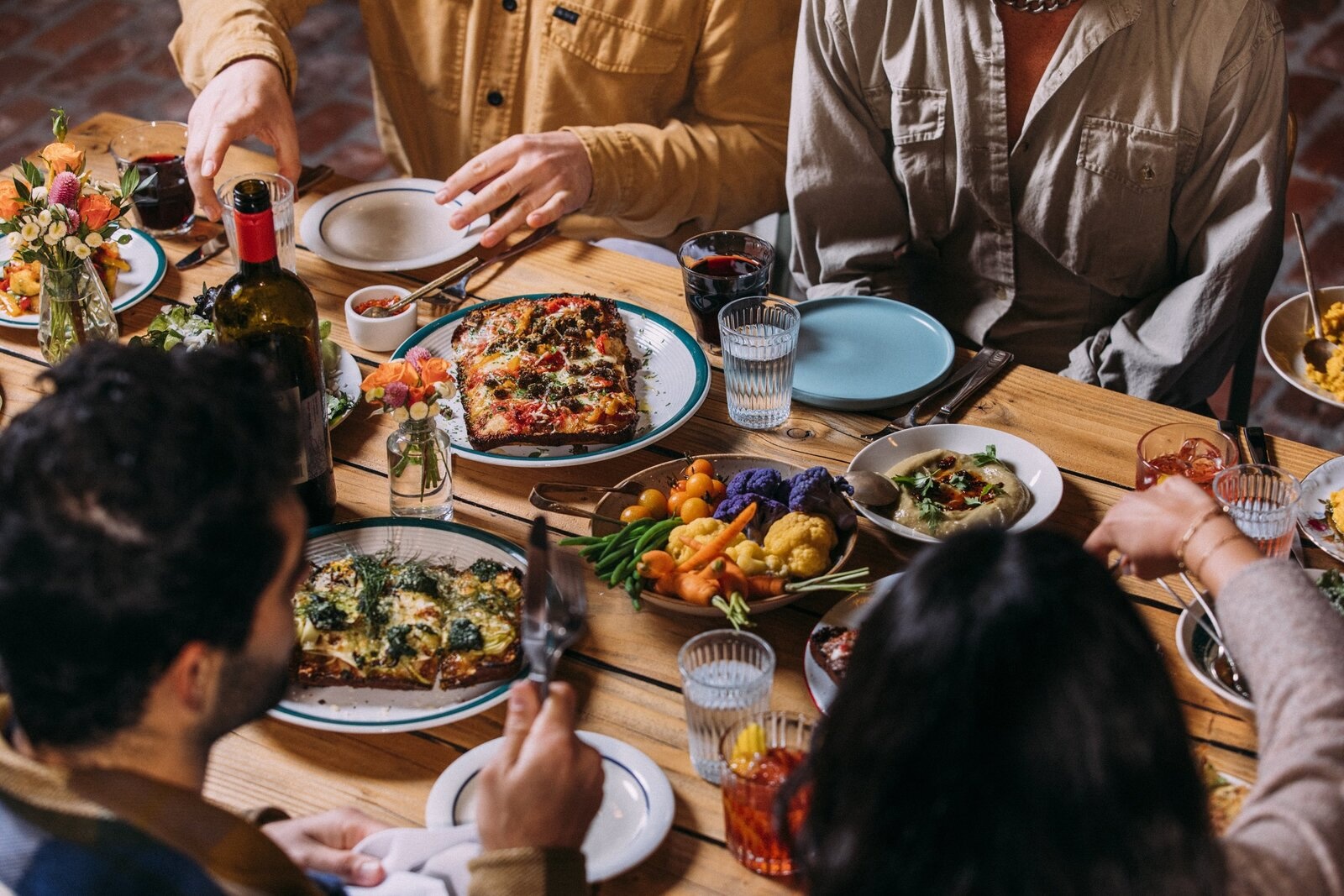
At De La Nonna, co-owner Lee Zaremba and his team use Resy to make an unconventional counter-service model work more like full service. Guests place their initial order at the counter and then take a seat, where the hospitality team takes over, delivering drinks and handling additional cocktails, pizzas, and dessert without guests having to get back up. At lunch, the team uses Resy as a tool for the counter, giving them an informed view of each guest and the dining room as they take orders.
That visibility is especially important when the counter is also the starting point for service. The team constantly updates the Resy floor plan from their phones, so whoever is taking orders has a near real-time view of table inventory and knows where guests can be seated. Waitlist and messaging tools help coordinate the flow before guests reach the counter, while at dinner, the team uses Resy at the host stand for a more traditional service format.
For Zaremba, it’s about applying familiar restaurant tools to a distinctly nontraditional flow: Resy allows the team at De La Nonna to use “Standard restaurant tools that help us execute our day-to-day mission, in a very nonstandard way.”
Resy for Takeout: Ramen by Ra (New York, NY)
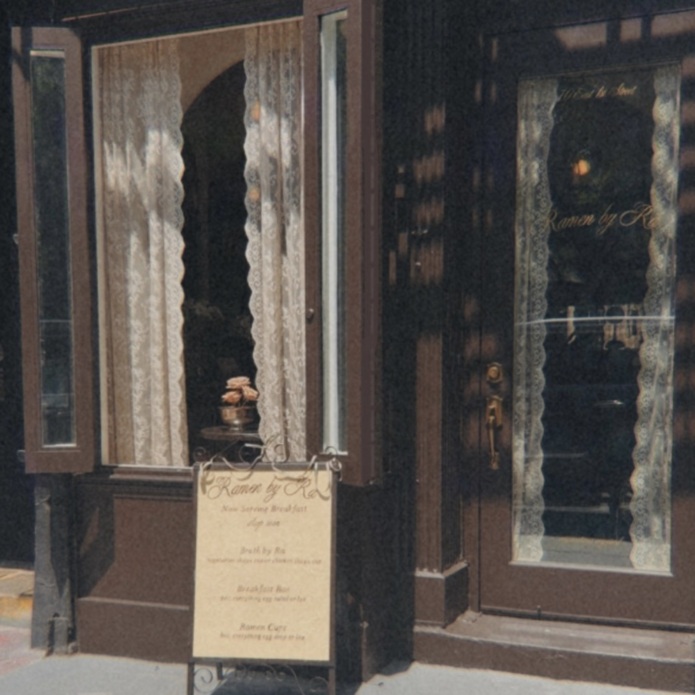
For Ramen by Ra, Resy has become a tool for managing takeout alongside the restaurant’s dine-in experience. By setting up window service as a bookable experience next to the chef counter, guests can see both options in one place and choose what works for them, whether that’s sitting down for an intimate meal or reserving something to grab on the go. For takeout, guests select a pickup time, choose and pay for their order in advance, and simply show their reservation when they arrive. As chef-owner Rasheeda Purdie explains it, “You check out and you show up. Customers show us their Window Service pre-order, we confirm it, and their order is ready.”
For the team, putting takeout on Resy means knowing what’s coming before service begins, getting a clearer picture of demand, and serving more guests despite the restaurant’s small size. It also keeps the guest relationship in one place, with notes and preferences available whether someone is dining in or picking up. Purdie describes it as having “reservations and a client book at the same time.” And for a concept where chef counter reservations can sell out within minutes, window service gives guests another way in.
As Purdie emphatically puts it, ‘How people dine, no matter how they choose to do it, whether it’s dine-in or to-go, Resy is the future.’
Resy for Hospitality Groups: Meadowlark Hospitality (Chicago, IL)
Across The Meadowlark, Lardon, Union, and The Little Lark, owner Steve Lewis uses Resy to give the teams the flexibility to adapt the platform to how each concept operates rather than forcing the same reservation model across the group. Depending on the venue, that can mean managing a predominantly walk-in cocktail bar or balancing reserved dining-room tables with first-come bar or patio seating.
During service, Resy acts as a central table-management tool across the concepts, helping hosts manage seating, pacing, and guest flow in real time. But the team can also shift how it uses the platform depending on the occasion. For specialty events like Whiskey or Chef Collaboration Dinners and holidays like Valentine’s Day and New Year’s Eve, they can move from their typical model to prepaid tickets and fully mapped-out seatings.
That adaptability is particularly useful for a group whose concepts range from restaurants and cafés to cocktail bars. As owner Steve Lewis explains, Resy is “a hybrid” across the group: a tool for managing tables during service, while also providing other elements of it like pre-bookings and ticketed events when the business calls for them.
From walk-ins and counter service to prepaid experiences, takeout, and multi-unit hospitality groups, there’s a variety of ways to put Resy to work. The platform can be shaped around the needs of your concept to help streamline service and create better experiences for guests, no matter what your business looks like.